Specialist evaluation and treatment across the full range of urological conditions.
From kidney stones and urinary infections to prostate concerns, male health, female urology and minimally invasive procedures, Dr. Gurnam Singh provides specialist urological care focused on accurate diagnosis and personalised treatment. Explore the services below to learn more about common symptoms, evaluation and treatment approaches.

Kidney stones are hard deposits that form when minerals and salts in urine crystallise. Some pass naturally, while others can cause severe pain, obstruction or infection.
Left untreated, larger stones can lead to recurrent infections or affect kidney function over time, which is why timely assessment matters.
Assessment may include medical history, examination, urine and blood tests, and imaging to determine the stone's size, location and effect on the urinary system.
Treatment depends on stone size and location, symptoms, obstruction and infection risk. Options may include observation, medication or procedures such as ureteroscopy and other stone removal techniques. Laser technology is also a widely used technique for kidney stone removal.
When to see a urologist: Seek assessment for severe or persistent pain, recurrent stones, blood in the urine, difficulty passing urine or symptoms accompanied by fever.

Urinary tract infections can affect the bladder, urethra, ureters or kidneys. Recurrent or complicated infections may require specialist assessment to identify an underlying cause.
Prompt, accurate treatment reduces the risk of the infection spreading and helps prevent the cycle of repeated episodes.
Evaluation may include symptom review, medical history and urine testing. Recurrent infections may require additional assessment for contributing urinary conditions.
Treatment is selected according to the suspected cause and clinical findings. Recurrent infections may also require management of contributing factors to reduce future episodes.
When to see a urologist: Consider specialist evaluation if infections keep returning, symptoms persist, there is blood in the urine, or fever and back pain develop.

The prostate is a small gland below the bladder and around part of the urethra. Prostate conditions can affect urinary flow, frequency and everyday comfort.
Many prostate-related changes develop gradually, so an early, unhurried assessment helps identify the cause before symptoms progress.
Assessment may include medical history, symptom evaluation, examination and appropriate tests. Further investigations are recommended when clinically necessary.
Management depends on the underlying condition and severity. Options may include lifestyle measures, medication, monitoring or a suitable procedure.
When to see a urologist: Persistent urinary changes, worsening symptoms, blood in the urine or difficulty emptying the bladder should be assessed by a urologist.

Male infertility can result from problems affecting sperm production, sperm quality, sperm movement, the reproductive tract or other medical factors.
A focused evaluation of both partners often gives a clearer picture than assessing either one alone, and can shorten the path to an answer.
Evaluation may include reproductive history, examination and semen analysis. Hormonal, imaging or specialised tests may be recommended when appropriate.
Treatment depends on the cause and may involve medical treatment, correction of an underlying condition, or a suitable procedure. Where appropriate, assisted reproductive options such as IVF and IUI, or sperm retrieval procedures such as TESA and MESA, may be considered based on the individual’s fertility assessment.
When to see a urologist: Couples having difficulty conceiving may benefit from evaluation of both partners. Men with known reproductive or testicular concerns may benefit from earlier assessment.

Erectile dysfunction is difficulty achieving or maintaining an erection sufficient for satisfactory sexual activity. It can have physical, medical, medication-related or psychological contributors.
Because it is often an early sign of an underlying vascular or hormonal issue, an assessment can be valuable for overall health, not only sexual function.
Assessment includes discussion of symptoms, medical history and relevant health factors. Penile doppler test can also be performed in some conditions. Further investigations may be recommended to identify possible causes.
Treatment is tailored to the underlying cause and may include lifestyle changes, medication and other appropriate treatment options. In selected cases, PRP-based treatments such as the P-Shot may also be discussed. Associated health conditions may also need attention as part of comprehensive care.
When to see a urologist: Persistent or recurring erectile difficulties deserve medical assessment, particularly when they are new or accompanied by other health concerns.

Overactive bladder involves a sudden, difficult-to-control urge to urinate and may be accompanied by frequent urination or leakage. It can affect sleep and daily activities.
It is a common and manageable condition, and identifying the pattern behind the symptoms is usually the first useful step.
Assessment focuses on symptom patterns, medical history and possible contributing factors. Urine testing and other investigations may be used when needed.
Management may include bladder and lifestyle measures, pelvic floor strategies, medication or other treatments depending on severity and cause.
When to see a urologist: Seek evaluation when urgency or frequency is persistent, affects sleep or daily activities, or is accompanied by pain, blood in the urine or leakage.

Female urology focuses on urinary and bladder conditions affecting women at different stages of life. Persistent symptoms should be assessed rather than repeatedly treated without identifying the cause.
Hormonal changes, pregnancy and ageing can all influence bladder health, so care is tailored to each stage of life.
Assessment begins with the symptoms, their pattern and medical history. Urine tests, imaging or other investigations may be recommended when appropriate.
Treatment depends on the underlying condition and may include lifestyle changes, medication, bladder-focused therapies or procedural treatment.
When to see a urologist: Specialist assessment is appropriate when urinary symptoms are recurrent, persistent, worsening or affecting quality of life.

Children can develop conditions involving the kidneys, ureters, bladder, urethra and genital system. Specialist assessment can help ensure problems are properly evaluated as a child grows.
Consultations are approached gently and at a pace comfortable for the child, with parents involved and informed at every step.
Assessment is adapted to the child's age, symptoms and development. Urine tests, ultrasound imaging such as USG KUB and USG pelvis, MCU, or nuclear medicine scans such as DTPA and DMSA may be recommended when necessary to assess the urinary tract and kidney function.
Treatment depends on the child's condition and may range from observation and medical management to an appropriate procedure or surgery.
When to see a urologist: Parents should consider assessment for recurrent urinary problems, persistent symptoms or known kidney, bladder, urinary tract or genital abnormalities.

Urological laparoscopy is a minimally invasive surgical approach using small incisions and specialised instruments to access structures within the urinary system.
This approach is chosen with care, based on what will give the safest and most effective outcome for the specific condition being treated.
Laparoscopic techniques may be used for selected kidney, ureter, bladder, prostate and other urological conditions. Procedures may include laparoscopic renal cyst deroofing, partial nephrectomy, radical nephrectomy, adrenalectomy, ureterolithotomy, ureteric reimplantation with Boari flap, urachal cyst excision, cystectomy, prostatectomy and vesicovaginal fistula (VVF) repair. The appropriate procedure depends on the diagnosis and clinical circumstances.
The diagnosis, imaging, symptoms, medical history and overall health are reviewed to determine whether a laparoscopic approach is appropriate.
For selected patients, minimally invasive surgery may involve smaller incisions than traditional open surgery. Recovery varies according to the procedure and individual health.
When to see a urologist: A specialist consultation can help determine whether minimally invasive surgery is suitable for your condition.
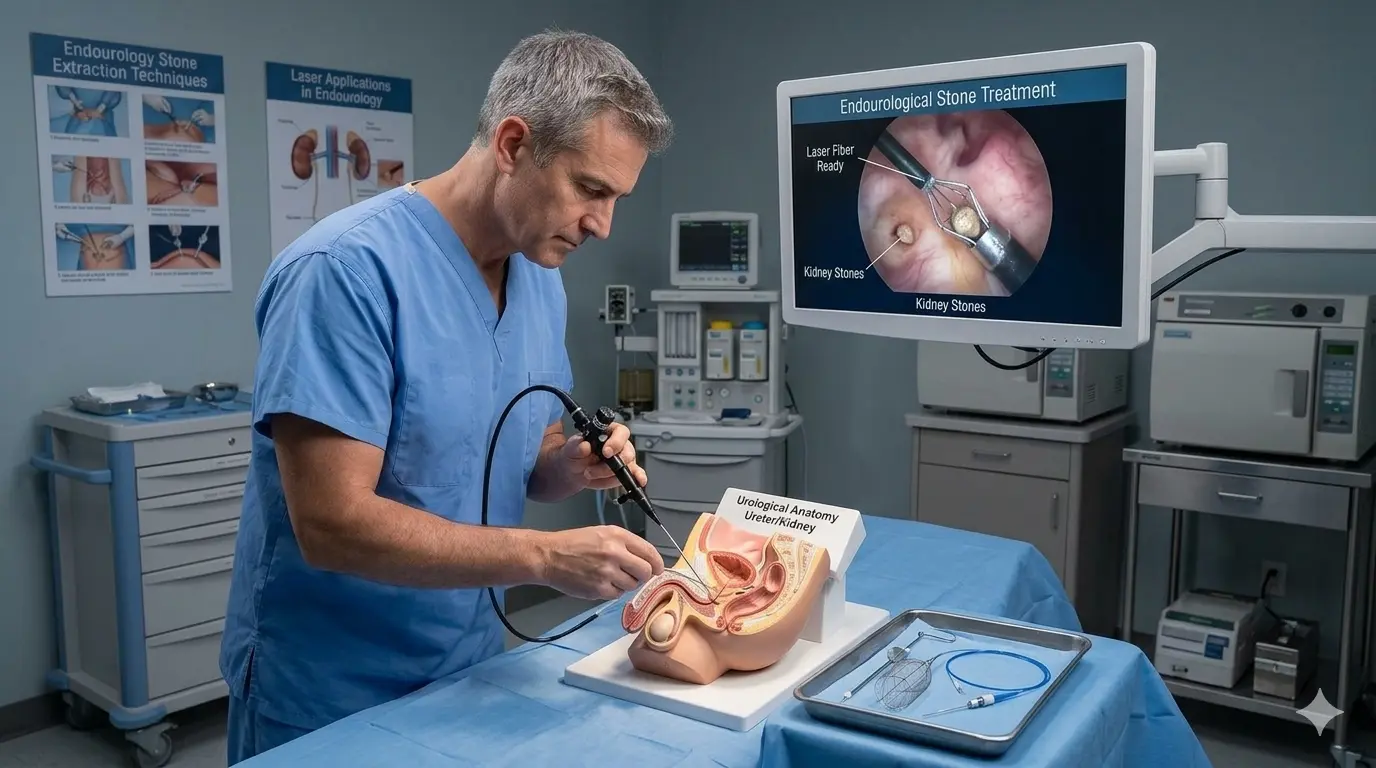
Endourology uses specialised instruments and minimally invasive techniques to diagnose and treat conditions within the urinary tract. It is commonly used for urinary stones and selected urinary conditions.
Because access is through the body's own urinary pathways, these techniques often mean a shorter recovery than open surgery for suitable cases.
Endourological procedures can include ureteroscopy, flexible ureteroscopy, flexible nephroscopy, percutaneous nephrolithotomy (PCNL), CLT and extracorporeal shock wave lithotripsy (ESWL), along with other techniques that access the urinary system through natural urinary pathways or small access points.
The procedure is selected according to the condition, location, imaging findings, symptoms and overall health.
Endourological treatment can provide a minimally invasive option for selected conditions. Recovery depends on the procedure and individual circumstances.
When to see a urologist: If you have a urinary stone or another condition that may require a procedure, a urologist can assess whether endourological treatment is suitable.
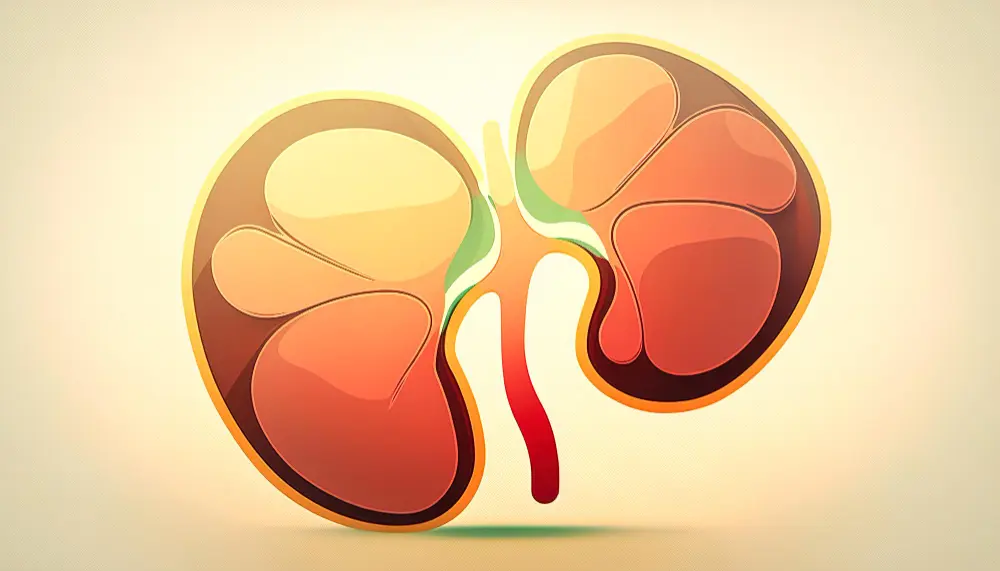
The kidneys filter waste and excess fluid from the blood and help maintain the body's internal balance. Urological kidney care focuses on conditions affecting the kidneys and urinary system.
Ongoing kidney health is closely linked to overall wellbeing, so concerns are assessed within the wider context of your general health.
Depending on symptoms and the suspected condition, assessment may include blood and urine tests, ultrasound, CT imaging or other investigations.
Treatment is guided by the diagnosis and may include monitoring, medication, stone treatment, minimally invasive procedures or surgery.
When to see a urologist: Persistent flank pain, blood in the urine, recurrent urinary problems, kidney stones or abnormalities found on imaging may require specialist assessment.

Urological malignancies refer to cancers that affect the organs of the urinary and male reproductive system, including the kidneys, bladder, prostate, testes and related structures.
Coordinated, multidisciplinary care from diagnosis through treatment and follow-up gives the best chance of catching and managing these conditions early.
Evaluation typically combines imaging, blood and urine tests, and where appropriate a biopsy, to confirm the diagnosis and determine the stage and extent of disease.
Treatment is planned according to the type, stage and location of the malignancy, and may involve surgery, minimally invasive procedures, or referral for oncology-led therapies such as chemotherapy or radiotherapy, often as part of a multidisciplinary team.
When to see a urologist: Any unexplained blood in the urine, a new testicular lump, unexplained weight loss or persistent urinary symptoms should be assessed promptly.
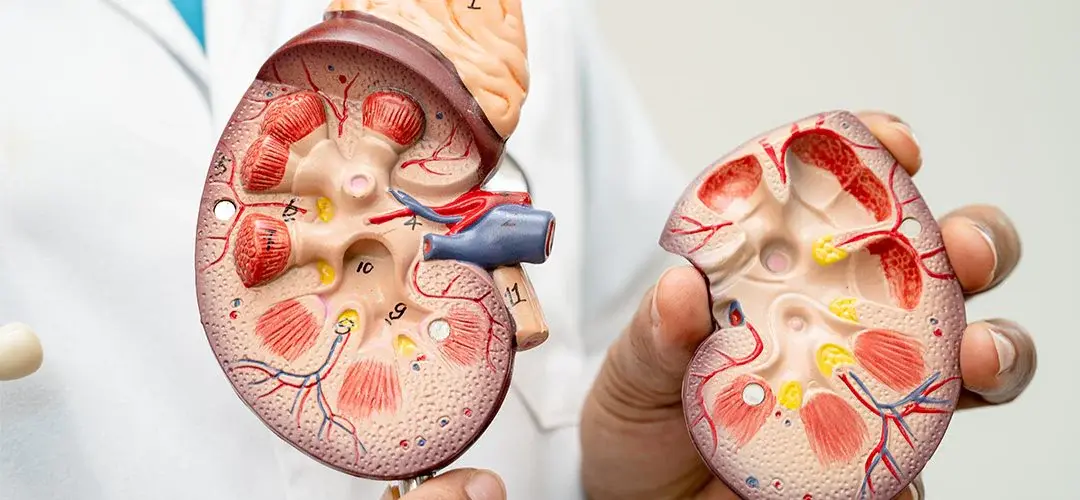
Chronic kidney disease is a gradual, long-term decline in kidney function that can affect how the body removes waste and balances fluids, salts and minerals.
Because early-stage disease often causes no obvious symptoms, regular monitoring is often the most effective way to protect kidney function over time.
Assessment usually includes blood tests to measure kidney function, urine tests, blood pressure monitoring and imaging where needed to identify an underlying cause.
Management focuses on slowing progression and protecting remaining kidney function, and may include lifestyle changes, blood pressure and blood sugar control, medication, and treatment of any underlying urological cause.
When to see a urologist: Persistent swelling, unexplained fatigue, abnormal kidney blood tests or a known urological condition affecting kidney function warrant specialist assessment.

Urological cancers include cancers of the kidney, bladder, prostate, testes and penis. Each type has its own pattern of symptoms, risk factors and treatment pathway.
Routine screening and prompt attention to new or unusual symptoms remain the most reliable ways to detect these cancers at an earlier, more treatable stage.
Diagnosis is guided by the suspected organ involved and may include imaging, urine cytology, blood tests and biopsy to confirm and stage the cancer.
Treatment depends on the type and stage of cancer and may include surgery, minimally invasive or robotic-assisted procedures, and coordinated care with oncology for additional therapies where needed.
When to see a urologist: New or persistent urinary symptoms, visible blood in the urine, or any unexplained lump should be assessed without delay.
If you are experiencing urinary symptoms, kidney stone pain, sexual health concerns or another urological problem, arrange a consultation with Dr. Gurnam Singh and get clear, personalised guidance.