
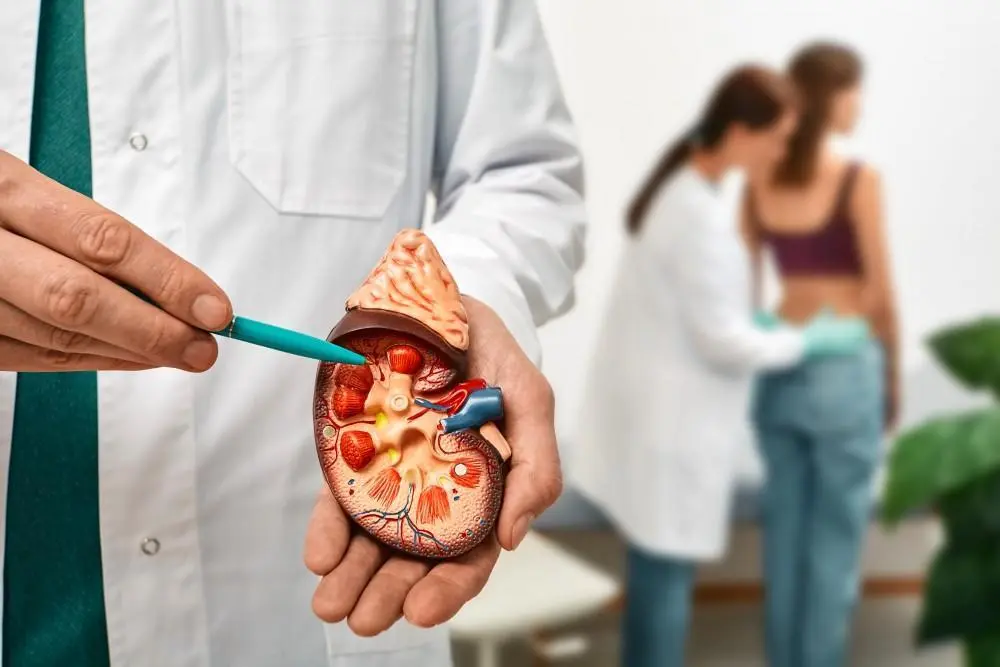
Kidney stones can be surprisingly painful, but having a kidney stone does not always mean you need surgery. Some small stones can pass naturally with time, while larger stones or stones that cause blockage, persistent pain, infection, or other complications may require active treatment.
The right approach to kidney stones treatment depends on several factors, including the stone’s size, location, composition, symptoms, and whether it is affecting the normal flow of urine. A urologist can assess these factors and recommend the most appropriate option rather than using the same treatment for every patient.
In this guide, we explain the main kidney stone treatment options, when a procedure may be necessary, and what you can expect during the treatment process.
What Are Kidney Stones?
Kidney stones are hard deposits that form when certain minerals and substances become concentrated in the urine and form crystals. They can develop in one or both kidneys and vary considerably in size. Very small stones may pass through the urinary tract without causing noticeable symptoms. Larger stones can become stuck in the urinary tract and cause significant pain or interfere with the normal flow of urine.
Common symptoms include:
- Sharp pain in the back or side
- Pain that moves toward the lower abdomen or groin
- Blood in the urine
- Pain or burning during urination
- A frequent or persistent need to urinate
- Nausea or vomiting
- Cloudy or unpleasant-smelling urine
Fever or chills along with symptoms of a kidney stone can indicate an infection and require prompt medical assessment.
How Is the Right Kidney Stones Treatment Decided?
There is no single treatment that is suitable for every kidney stone. A urologist will usually consider:
Stone size
Small stones are more likely to pass naturally. As stone size increases, the likelihood of spontaneous passage generally decreases, and active treatment may become more appropriate.
Stone location
A stone in the kidney may be managed differently from one that has moved into the ureter. The exact location can influence which procedure is most suitable.
Symptoms
A small stone causing little or no discomfort may be monitored. Persistent or severe pain can change the treatment approach.
Urinary blockage
A stone that blocks the flow of urine may require intervention, particularly if the obstruction is significant or associated with infection.
Infection
An obstructed urinary system combined with infection can be a medical emergency. Urgent drainage and treatment of the infection may be necessary before definitive stone removal.
Overall health
Your medical history, kidney function, medications, previous stone history, and other health conditions can also influence the treatment decision. For these reasons, a scan and appropriate medical assessment are important before deciding how a stone should be treated.
Can Kidney Stones Pass Naturally?
Yes, some kidney stones can pass without a procedure. If a stone is small and is not causing significant obstruction or other complications, a urologist may recommend observation while waiting for it to pass. Treatment during this period may include medication for pain and nausea, along with advice about fluid intake where appropriate. Some patients may also be prescribed medication intended to help the stone pass, depending on the stone’s location and individual circumstances.
However, simply waiting is not appropriate for every stone. Severe or persistent pain, urinary obstruction, infection, vomiting with dehydration, or deterioration in kidney function may require more immediate treatment. It is important not to assume that drinking large amounts of water will make every stone pass. Your fluid intake should be guided by your medical situation, particularly if you have kidney problems or another condition that affects how much fluid you should consume.
When Is a Kidney Stones Treatment Needed?
Active kidney stones treatment may be recommended when a stone:
- Is too large to pass naturally
- Causes ongoing or severe pain
- Blocks the urinary tract
- Causes repeated urinary infections
- Is associated with impaired kidney function
- Does not pass despite a period of observation
- Is unlikely to pass because of its size or location
- Continues to cause significant symptoms
The goal is not simply to remove a stone. Kidney stones treatment aims to relieve symptoms, restore normal urine flow, prevent complications, and protect kidney health.
Main Kidney Stones Treatment Options
When a stone needs to be removed or broken into smaller pieces, several treatment options are available.
1. Shock Wave Lithotripsy
Shock wave lithotripsy, commonly called SWL, uses focused shock waves from outside the body to break a kidney stone into smaller fragments. The smaller pieces can then pass through the urinary tract in the urine.
SWL is a non-invasive approach because there is no surgical incision into the kidney. However, its suitability depends on factors such as the stone’s size, location and characteristics. Some patients may need more than one treatment session. After treatment, passing stone fragments can cause discomfort, and follow-up may be needed to confirm that the stone has been adequately cleared.
2. Ureteroscopy and Laser For Kidney Stones Treatment
Ureteroscopy is a minimally invasive procedure used to diagnose and treat stones in the urinary tract. A thin instrument called a ureteroscope is passed through the natural urinary passage into the bladder and then toward the ureter or kidney. Once the stone is located, the urologist can remove it or use laser energy to break it into smaller fragments.
Depending on the circumstances, a temporary ureteral stent may be placed after the procedure to help urine flow while the urinary tract heals. Ureteroscopy is often useful when a stone needs direct treatment and may be particularly appropriate for stones in locations where other approaches are less suitable.
3. Percutaneous Nephrolithotomy
Percutaneous nephrolithotomy, or PCNL, is a procedure generally used for larger or more complex kidney stones. Instead of passing instruments through the urinary passage, the urologist makes a small opening through the skin of the back and accesses the kidney directly with specialized instruments. The stone can then be removed or broken into smaller pieces.
PCNL is more invasive than SWL or ureteroscopy, but it can be an effective option when dealing with larger stone burdens. The choice of procedure depends on the individual stone and the patient’s overall circumstances.
What Happens Before Kidney Stones Treatment?
Before kidney stones treatment, your urologist may review your symptoms and medical history and arrange investigations to understand the stone more clearly. These may include:
- Urine testing
- Blood tests
- Imaging such as ultrasound or CT
- Assessment of kidney function
- Analysis of a stone if you have already passed one
Imaging can help determine the stone’s size, number and location, while laboratory tests can help identify infection or other factors that may affect treatment. If you have passed a stone, keeping it for analysis can sometimes provide useful information about its composition and help guide future prevention.
What Is Recovery Like After Kidney Stones Treatment?
Recovery after kidney stones treatment depends on the treatment used. After observation or medication for a small stone, the main concern may be managing discomfort while waiting for the stone to pass. After SWL, you may need to pass stone fragments through your urine. Temporary discomfort or blood in the urine can occur, and your urologist may arrange follow-up to determine whether additional treatment is required.

After ureteroscopy, some patients can return home the same day, although recovery varies depending on the procedure and individual circumstances. A temporary stent may cause urinary frequency, discomfort, or other symptoms until it is removed. PCNL generally requires a longer recovery because it involves accessing the kidney through a small opening in the back. Your urologist will provide specific instructions based on the procedure you have undergone.
Can Kidney Stones Come Back?
Unfortunately, passing or removing a kidney stone does not guarantee that another stone will never form. People who have previously developed stones may have a higher risk of developing them again. Prevention therefore becomes an important part of long-term kidney stone care.
Drinking enough fluid is one of the most important general measures for reducing the risk of future stones. Depending on the type of stone, dietary changes involving sodium, animal protein, calcium or oxalate may also be recommended. Some patients may benefit from medication based on their individual risk factors and stone type. Rather than following a restrictive diet without guidance, it is better to understand what type of stone you formed and why.
When Should You See a Urologist For kidney stones treatment?
You should seek medical assessment if you experience symptoms that could indicate a kidney stone, particularly significant or persistent pain, blood in the urine, difficulty passing urine, or recurring urinary symptoms. Seek urgent medical attention if you have severe pain accompanied by fever or chills. An infected and obstructed urinary system can require urgent treatment. Early assessment can help determine whether observation is appropriate or whether active kidney stones treatment is needed.
Frequently Asked Questions About kidney stones treatment
Can all kidney stones be treated without surgery?
No. Some small stones can pass naturally, but larger stones, persistent symptoms, obstruction, infection, or other complications may require a procedure to break up or remove the stone.
What is the best kidney stones treatment?
There is no single best kidney stones treatment for every patient. The appropriate option depends on the stone’s size, location, composition, symptoms, and your overall health.
Is laser used for kidney stones treatment?
Yes. During ureteroscopy, laser energy can be used to break a stone into smaller pieces so it can be removed or passed naturally.
How long does it take to recover from kidney stone treatment?
Recovery varies according to the treatment. Recovery after a less invasive procedure may be relatively quick, while larger or more complex procedures can require more time. Your urologist can give you a more specific recovery plan based on your procedure.
Can kidney stones damage the kidneys?
A kidney stone that causes significant or prolonged obstruction can lead to complications, including infection and impaired kidney function. Prompt assessment is particularly important when severe symptoms or infection are present.
Conclusion
Kidney stones do not always require surgery, but they should not be ignored when they cause significant symptoms or complications. Small stones may sometimes pass naturally, while larger or problematic stones may require treatment such as shock wave lithotripsy, ureteroscopy with laser treatment, or percutaneous nephrolithotomy.
The right kidney stones treatment depends on your individual stone rather than a one-size-fits-all approach. A urologist can assess the stone’s size and location, evaluate your symptoms and kidney health, and explain which treatment options are appropriate for you.
Need Help With Kidney Stones?
If you are experiencing kidney stone pain, recurrent stones, blood in your urine, or other urinary symptoms, consider arranging an assessment with a specialist urologist.
Dr. Gurnam Singh provides specialist urology care in Dubai, including evaluation and treatment for kidney stones and other urinary conditions. A consultation can help determine the cause of your symptoms and the most appropriate next step for your care.